When not to use AI Product Descriptions
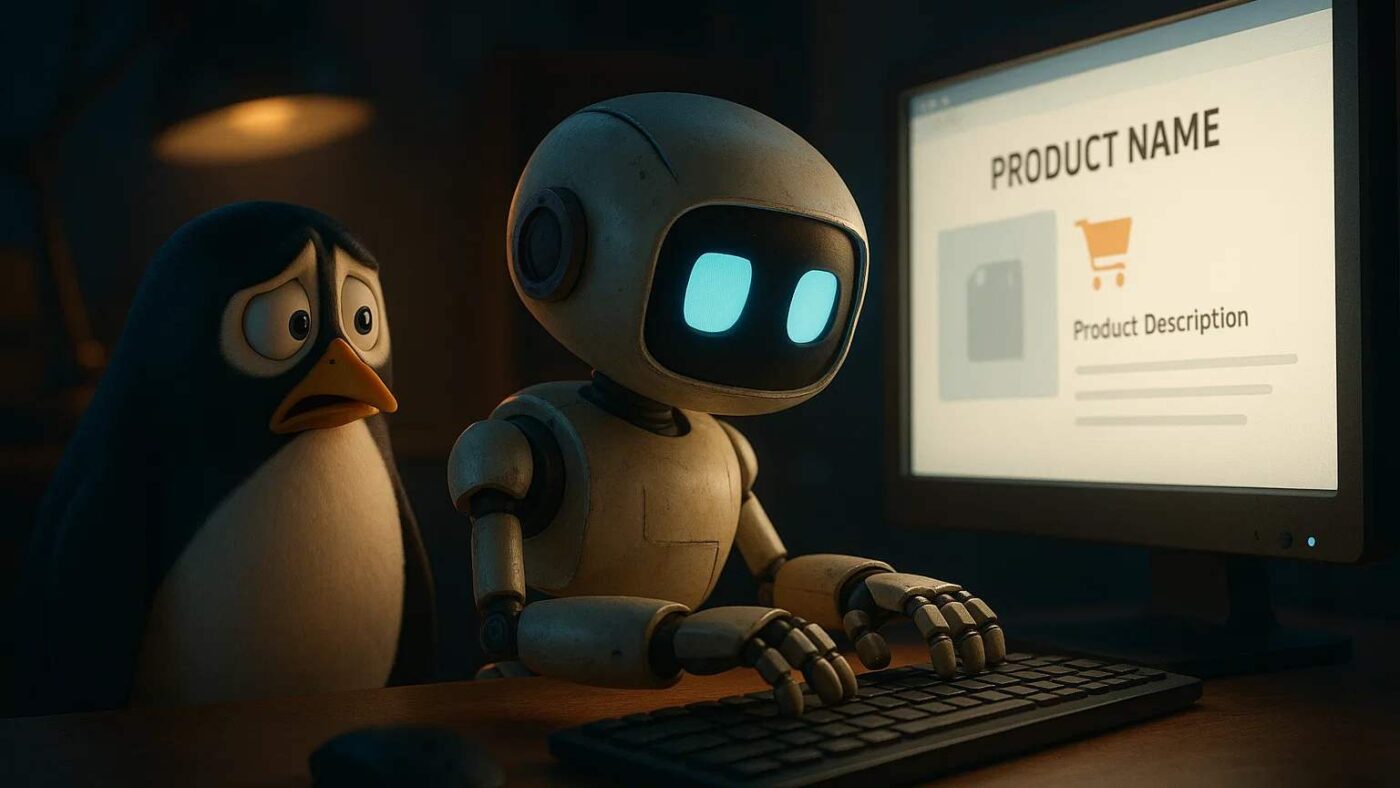
AI generated content has become a powerful tool for ecommerce brands.
It speeds up writing, supports search optimization, and helps teams scale product listings.
Despite these benefits, there are moments when AI product descriptions can actually work against your goals.
Knowing when to rely on human creativity and judgment is essential for keeping your brand voice and customer trust strong.
Below are key situations when AI should not be the primary creator of your product descriptions.
Highly Technical or Specialized Products
Some products require deep industry knowledge or precise technical explanations.
AI can produce convincing text, but it may miss subtle details or misunderstand complex requirements. In cases where accuracy is non-negotiable, human expertise is the better choice.
• Products with strict safety standards
• Items requiring compliance explanations
• Tools or equipment that need precise specification language
Human writers ensure the information is correct and the content does not mislead or confuse buyers.
Products with Emotional or Personal Significance
Many products impact customers on a personal level.
For items where emotion and storytelling matter, a human touch creates a stronger connection.
AI generated writing may sound polished, but it does not always capture the meaning behind the product.
• Handmade goods
• Luxury items
• Gifts or personalized products
Customers respond to authenticity. A real story told by a human helps build trust and increases perceived value.
Unique Brand Voice Requirements
Your brand voice sets you apart from competitors. AI is excellent at writing clearly, but it sometimes produces content that feels generic.
When your brand relies on personality, humor, or a very specific writing style, a human writer can better maintain consistency.
Consider human written descriptions if your brand voice is:
• Playful and bold
• Highly conversational
• Extremely formal or refined
AI tools can support the process, but humans should polish and approve final wording.

When Legal or Ethical Claims Are Involved
Product descriptions sometimes contain claims related to health, performance, or results.
AI may unintentionally generate statements that are exaggerated or not allowed in your region. This can create legal risk and damage brand credibility.
Rely on human oversight whenever your product claims must follow:
• Health or wellness regulations
• Warranty or guarantee language
• Industry specific laws
Precise wording matters, and a human reviewer ensures compliance.
When Originality Is a Top Priority
AI is skilled at pattern recognition, but it can produce text that resembles existing descriptions online.
If you need fully original writing that stands out and avoids similarity concerns, human creators are the safest choice.
This matters especially for:
• High competition product categories
• New product launches
• Campaigns where fresh creativity is essential
Final Thoughts
AI product descriptions are a valuable tool, but they are not a universal solution.
Use AI for efficiency, inspiration, or first drafts, but rely on human writers when accuracy, creativity, regulation, or emotional storytelling matter most.
By knowing when not to use AI, you can protect your brand, deepen customer trust, and create product descriptions that truly resonate.